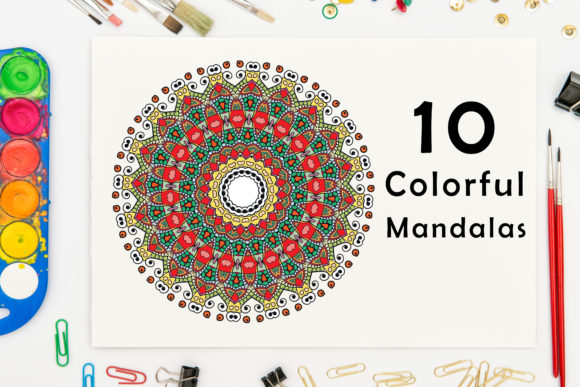
Mandala Design Vector & Floral Outline Essentials
A resource that combines precision with organic beauty changes how you approach visual storytelling. The Mandala Design Vector, Floral Outline template brings together symmetrical geometry and delicate botanical line work in one fully editable package. It includes JPG, EPS, and AI Adobe Illustrator files, all with well-organized layers that make editing straightforward. Whether you are a seasoned graphic designer, a small business owner building brand identity, or an educator preparing calming classroom activities, this asset removes the friction of starting from scratch while leaving room for your own creative choices.
What makes this particular template interesting is not just the floral outline motif, but the intentional structure behind it. The separate layers allow you to isolate individual flower petals, adjust stroke weights, or recolor sections without disturbing the overall mandala balance. That kind of control is essential when you need consistency across a product line or when you want to adapt a single design for completely different end uses—say, a crisp logo on a website and a detailed page in an outline mandala coloring book.
Why Florals and Mandalas Work So Well Together
Floral forms bring softness, while the radial symmetry of a mandala creates a sense of order. When the two combine in a clean outline style, the result feels both modern and timeless. The Mandala Design Vector, Floral Outline format plays to this strength. It gives you the meditative intricacy people expect from a round ornament vector, yet keeps the design airy enough to remain legible at smaller sizes. That balance is hard to achieve from scratch, especially if you need to deliver files without massive time investments.
For creators working in print-on-demand, art therapy, or stationery, the appeal is immediate. The outlined style means you can leave it as a pure black-and-white line drawing for coloring pages, or apply custom color palettes to turn it into a vivid decorative element. Because the AI and EPS files preserve vector paths, you can scale the artwork to fit a business card or a wall mural without losing crispness. The well-organized layers let you toggle elements on and off, so a single purchase can spawn multiple variants—a dense mandala for a journal cover and a lighter, airier version for a thank-you card.
Adapting the Template for Different Goals
One of the underrated advantages of a fully editable mandala vector is how many audiences it can serve without diluting its character. A freelance marketer might use the floral outline as the foundation for a social media quote graphic, keeping the mandala subtle in the background to add texture without distracting from the message. That same file, recolored in earthy tones, could become the centerpiece of a yoga studio’s class schedule. The shift takes minutes because the layers are named and grouped logically—no need to hunt through flat artwork.
Small business owners often face a specific challenge: they need professional-looking assets but can't always hire a custom illustrator for every campaign. This is where a Mandala Design Vector, Floral Outline becomes a practical workhorse. You can place it on a round label for artisanal candles, embed it in a signature email footer, or use it as a submark on packaging. The orchid and leaf details read as intentional rather than generic, which helps a brand stand out in crowded markets like skincare, wellness, or handmade goods. Because the vector is fully scalable, one edited version can become the icon for a website, the stamp for a loyalty card, and the embossed detail on a fabric tag.
Real-World Applications Beyond the Obvious
Many people first think of coloring books when they see an outline mandala, and that is a valid, high-demand use. Publishers and independent book creators can drop the floral ornament vector into a page layout, adjust the line thickness for different age groups, and compile an entire book without the worry of mismatched styles. But the template also extends into unexpected spaces. Educators incorporate mandalas into geometry lessons, pattern recognition exercises, and mindfulness corners. The outlined format makes it easy to print on standard classroom copiers without heavy ink coverage, and the organized AI file allows teachers to simplify sections for younger students.
For bloggers and content creators who rely on visual cohesion, the mandala works as a recurring motif. You might place a softly tinted version behind blog post featured images, use a detailed portion as a bullet-point accent, or animate the floral outline as an intro in video content. The consistency helps build brand recognition. Because you have both the full vector and the high-resolution JPG, you can choose the format that fits your workflow—pull the JPG for a quick Pinterest pin, or open the AI file when you need to match exact hex codes for a brand palette.
Keeping Designs Clear and Audience-Friendly
A common mistake with mandala resources is overcrowding. More detail sometimes makes the design feel chaotic, especially on small screens or printed materials with texture. The Mandala Design Vector, Floral Outline described here sidesteps that issue by balancing line spacing and organic gaps. When you edit the template, resist the urge to fill every opening. Let the floral silhouette breathe. If you are creating a product image for an online store, test how the ornament vector reads at thumbnail size. A quick way to check is to zoom out in Illustrator until the image is about 150 pixels wide; if the central motif still reads clearly, you have a winner.
Consistency across pieces matters equally. When you use the mandala across multiple touchpoints—website, social media, print collateral—keep the stroke weight uniform unless you are deliberately creating contrast. The layered AI file lets you store master versions with annotation notes directly on hidden layers, which helps teams or collaborators stay aligned without endless emails. For designers handing off files to clients, this organizational clarity becomes a strong trust signal. It shows you considered their future needs, not just the immediate project.
Using the Template for Commercial and Personal Growth
Freelancers and creative entrepreneurs can build service packages around this kind of versatile asset. Offer a branding mini-kit that includes a primary logo, a alternate round ornament version, and a set of social media templates, all built from the same floral mandala base. Because the underlying vector remains editable, you can personalize each client deliverable without redesigning the wheel. The same logic applies to wedding stationery designers, who can use the outline mandala on invitations, place cards, and thank-you notes—modifying the floral details slightly for each piece to create a suite that feels handcrafted but stays within budget.
On a personal level, creative exploration with a mandala vector can be just as rewarding as a finished product. You might spend an evening adjusting colors to match seasonal themes, then print the design as a framed piece for your home. Or you might extract individual floral elements to create a custom brush set for digital illustration. The well-organized layers and editable paths make that kind of experimentation low-risk. Even if you veer off in a completely different direction, the original template remains untouched for your next commercial deadline.
Practical Recommendations for Smooth Workflow
Start by duplicating the original AI or EPS file before making edits. This simple habit keeps the master intact for future projects. Explore the layers panel immediately: you will likely find groupings for outer petals, inner ring motifs, center ornament, and background scaffold. Understanding this structure prevents accidental deletions and speeds up recoloring. When you export for web, use the JPG for quick previews, but default to SVG or PNG from the vector file for crisp rendering on retina displays. For print, always confirm that stroke outlines are set to scale correctly in your export settings—nothing sours a beautiful design like a line that vanishes at 100% print size.
If you plan to use the floral outline mandala in a coloring book, test print on the paper stock you intend to use. Some lower-budget papers bleed more, so slightly increasing the stroke weight in Illustrator can keep the lines sharp once ink hits the page. For digital coloring apps or PDFs, export the outline as a high-contrast PNG with a transparent background so users can fill underneath the lines in programs like Procreate or GoodNotes. Creators who sell on platforms like Etsy often bundle the black-and-white JPG, a colored sample, and a simple instruction sheet—adding value without extra design hours.
Building an Asset Library That Works As Hard As You Do
A single well-structured vector template can spawn dozens of variations when you treat it as a system rather than a one-off. Designers who work with multiple clients know the pain of hunting down new resources for every brief. The Mandala Design Vector, Floral Outline can shift from a subtle background texture on a yoga brand’s website to a bold hero graphic on a music festival flyer simply by changing colors and clipping the mandala differently. Because the floral elements are separate, you can repurpose just the border ring for a certificate template or use the center orb as a repeating pattern on fabric. This modularity keeps the investment alive far beyond a single project.
Marketers and social media managers benefit from this adaptability when they need to produce a high volume of visuals on a tight schedule. With the template, you can create a series of Instagram story templates that all feel cohesive yet distinct—varying the mandala’s prominence, rotating the ornament, or overlaying it with typography. The round shape of the mandala naturally frames text well, making it effective for quote posts, event announcements, or product highlights. Save your customized versions in clearly named folders, and over time you build a personal library of on-brand assets ready to drag and drop into any campaign.
Maintaining Originality While Using Templates
One concern that sometimes comes up is whether a premade asset can still feel personal. The answer depends on how you handle the editing. With the layered Floral Outline vector, you aren’t stuck with a single look. Add your own handwritten typography around the edge to merge logos, or combine the mandala with your original photography by masking it into a portion of the image. Over time, you can develop signature color palettes that no other user will replicate exactly. The key is to treat the template as a starting point, not the finished identity. Small adjustments—like customizing the weight of a few petals, adding a subtle gradient, or removing an element altogether—can move the design significantly away from its default state while keeping the professional quality intact.
For publishers and course creators, this approach maintains the balance between consistency and freshness. If you release a monthly magazine or a weekly printable, using the same base mandala but altering the floral emphasis each issue creates a recognizable thread. Readers might not consciously notice the repeating structure, but they will feel the underlying cohesion. The AI file’s layer organization makes these periodic tweaks quick enough to fit into a regular content calendar rather than becoming a bottleneck.
Bringing It All Together
Ultimately, an asset like this answers a core creative need: how to stay efficient without sacrificing craftsmanship. The Mandala Design Vector, Floral Outline and its accompanying round ornament vector format give you the means to produce beautiful, scalable work across mediums and audiences. It fits equally well into a commercial branding project, an educational tool, or a personal artistic practice. The true value lies not just in the elegant line work—though that certainly attracts attention—but in the clean, editable structure that respects your time and your vision. When you can open a file, understand its layers immediately, and start adapting it to a real-world goal, you spend less energy on setup and more on what actually matters: connecting with your audience through clear, intentional design.