The Circle Vintage Floral Collection: A Practical Evaluation of Vector Design Assets
For designers, artists, and creative professionals, sourcing high-quality, versatile assets can be a significant part of the workflow. The Circle Vintage Floral Collection represents a specific category of digital resource: a curated set of vintage-inspired floral motifs available in vector format. Understanding its characteristics, compatibility, and ideal applications is crucial when evaluating whether it aligns with your project needs or if a different type of asset might be more suitable.
Defining the Collection and Its Core Distinctions
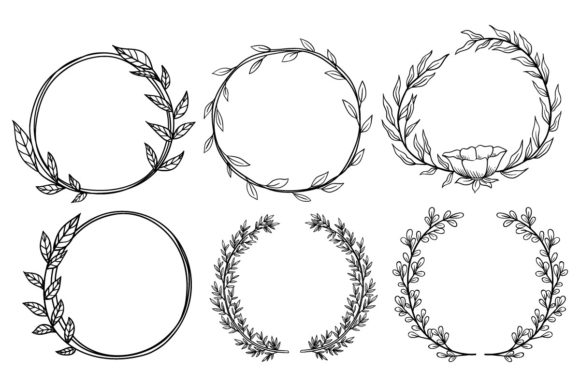
The Circle Vintage Floral Collection is essentially a digital pack containing a series of floral designs rendered as vector graphics. The “vintage” aspect typically implies stylistic choices such as softened color palettes, illustrative lines reminiscent of older print techniques, and motifs that avoid overly modern, geometric simplicity. What makes this particular collection distinct is its foundational format. Being provided as 100 vector files means each floral element is built using mathematical paths and points, not pixels. This grants the user infinite scalability; a small bud can be enlarged to billboard size without any loss of clarity or resolution.
The technical specifications are clear: compatibility with Adobe Illustrator, CorelDraw, or other vector software is assured through the included .Ai and .EPS files. The .EPS file, noted as being from Adobe Illustrator 10 version, offers broader software compatibility, sometimes useful for opening in older or alternative programs. The accompanying .JPG files serve as quick previews or for use in contexts where a raster image is acceptable. The Color RGB note indicates the color profiles are optimized for digital screen use, which is the primary domain for most vector design work, rather than print-specific CMYK.
Evaluating Vector Assets Against Alternative Formats
A key comparison point lies in the vector format itself versus other common asset types. When exploring alternatives, you might encounter raster image packs (PNG, high-res JPG), font files with glyphs, or even subscription-based libraries offering both. Raster images, while sometimes more immediately detailed with complex textures, are resolution-dependent. Scaling them up leads to pixelation, making them less flexible for multi-purpose projects. Fonts offer systematic deployment but can limit color and layout manipulation.
The strength of the Circle Vintage Floral Collection, therefore, is its inherent editability and scalability. Each flower, leaf, or arrangement can be broken apart, colors changed using software’s native tools, strokes modified, and elements recomposed without degrading the original art. This is a significant benefit for customization. However, a tradeoff exists. Vector art often has a cleaner, more graphic look compared to the photorealistic texture a high-quality raster image might provide. If your project requires a soft, painterly, textured vintage feel, a purely vector collection might lack that specific depth without additional designer effort to create shading and grain.
Compatibility and Workflow Integration Considerations
The stated compatibility with major vector software like Illustrator and CorelDraw is a practical advantage. For professionals already working in these environments, dropping an .Ai or .EPS file into their project is seamless. It becomes part of their existing workflow, allowing them to use familiar tools like the Pen Tool or Pathfinder to integrate and modify the assets. This reduces time spent on asset conversion or format wrestling.
However, it’s wise to consider your specific software ecosystem. If your primary tool is something like Affinity Designer or a free, open-source alternative like Inkscape, verifying that the .EPS file opens correctly is a prudent step, as version differences can occasionally cause issues. The inclusion of the .JPG is a helpful fallback, but using it means forfeiting the core vector benefits. When comparing resources, a collection offering additional formats like .SVG for web-specific work might offer even broader utility, though .EPS and .Ai are generally industry-standard for print and graphic design.
Strengths and Potential Limitations in Application
The primary strengths of the Circle Vintage Floral Collection revolve around control and efficiency. For a branding project needing a customizable floral motif that can appear on a business card, a website header, and a large poster, the vector format is ideal. The RGB color space is perfectly suited for digital branding, social media graphics, and web design. The vintage style, if it matches the intended aesthetic, provides a coherent starting point that avoids the need to create illustrations from scratch.
Limitations often relate to stylistic scope and creative constraints. “Vintage” is a broad term; the specific interpretation within this collection may not match every vision of vintage—it could be more “retro 70s” than “Victorian lace,” for instance. The 100 vector count is substantial, but if a project demands hundreds of unique, highly specific botanical drawings, this single pack may be a starting point rather than a complete solution. Furthermore, vector files require software and user skill to manipulate effectively. A novice hoping for drag-and-drop simplicity might find the need to learn basic vector editing tools, whereas a raster PNG with a transparent background might feel more immediately usable to them.
Identifying the Best-Fit Situations for This Resource
The Circle Vintage Floral Collection is likely the right choice in several realistic scenarios. Firstly, for freelance designers or small agencies working on client projects like boutique branding, wedding stationery, or packaging for a natural product, where a cohesive, editable vintage floral theme is required across multiple deliverables. The vector format allows for client revisions—changing a color scheme or rearranging elements—with professional ease.
Secondly, for digital content creators producing consistent graphics for platforms like YouTube, blogs, or online courses, the scalable vectors ensure visual quality across different screen sizes and resolutions. The RGB colors will remain vibrant on screens. Thirdly, it serves as a valuable learning resource for intermediate designers wanting to deconstruct professional vector art to understand composition, layering, and path construction in a vintage style.
When to Consider Alternative Options
You may need to explore alternatives if your project parameters differ. If the final output is primarily high-end print (like a fine art reproduction or a textured book cover) and requires CMYK color control from the outset, a collection built with CMYK vectors or even high-resolution scanned artwork might be a more precise fit, though RGB vectors can often be converted.
If time is extremely limited and no vector software skills are present, pre-made raster compositions (like themed PNG sets) might offer faster, though less flexible, deployment. Similarly, if the vintage style needed is hyper-specific—say, strictly Art Nouveau or precise 1920s catalog illustrations—a more niche, historically focused asset pack or even commissioning custom illustration could yield a better match than a general vintage collection. Lastly, for projects requiring constant, vast variety of new floral designs, a subscription to a large, updated asset library might provide more economical long-term access than purchasing individual themed packs.
Practical Factors for a Final Decision
Making an informed decision involves weighing a few concrete factors. First, assess your primary software and output medium. If you live in Illustrator designing for digital mediums, the compatibility and format of the Circle Vintage Floral Collection align directly. Next, consider the level of customization required. High customization needs favor vectors; low customization needs might allow for simpler formats.
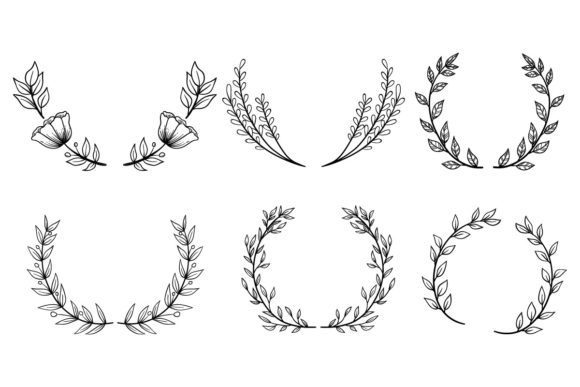
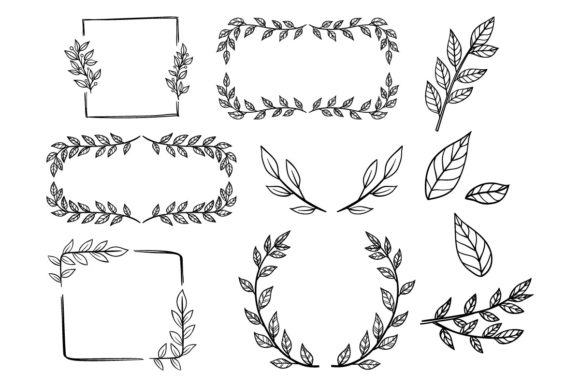
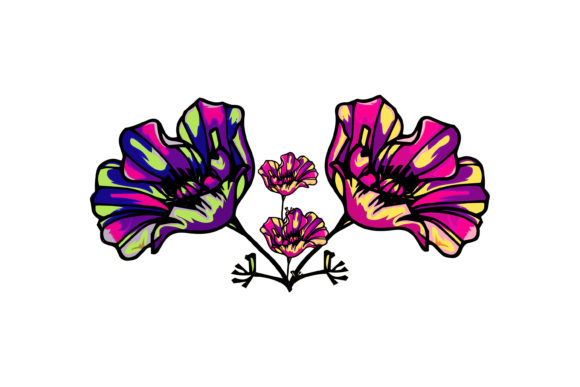
Evaluate the stylistic match by closely reviewing the provided JPG previews. Does the “vintage” portrayed resonate with your project’s mood? Finally, think about scope versus budget. 100 vectors is a considerable number for many projects, but if your scope is enormous, calculate if this single collection provides enough material or if it needs to be supplemented. By balancing these practical considerations, you can determine if this collection is a helpful resource that integrates smoothly into your process, or if your search should continue for a different type of asset that better meets your unique requirements.