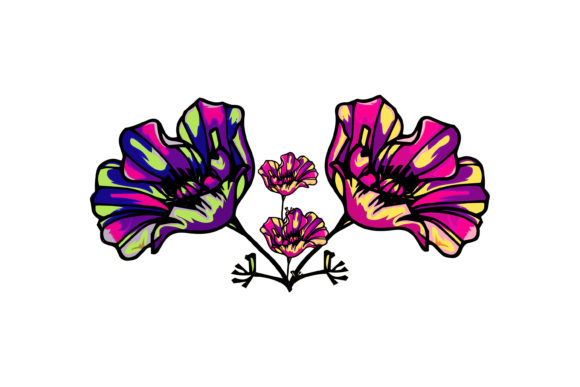
Understanding Vector-Based Floral Design Elements
Floral Design Elements represent a specific category of digital creative assets. These are not single, static images but collections of vector graphic files containing botanical and floral motifs. The core value lies in the vector format itself: mathematical paths, points, and curves that define shapes, rather than a fixed grid of pixels. This technical foundation is what makes these resources distinct and particularly useful for a wide range of creative and commercial applications.
Core Characteristics and Practical Value
The defining feature of these Floral Design Elements is their inherent scalability. Because they are built from vector data, every component—from a delicate petal to a complex wreath—can be opened, edited, and resized to any dimension without any degradation in visual quality. This is a fundamental advantage over raster formats like standard PNG files, which lose clarity when enlarged. The common file bundle includes AI and EPS files for professional print and design software, SVG for web and modern cutting machines, DXF for CAD and engraving systems, and often a high-resolution PNG for quick preview or use in non-vector contexts.
This multi-format offering directly translates into exceptional flexibility. A user can import an SVG file into a web design tool, use the same core design in an AI file for a large-format print job, and send a DXF version to a laser engraver, all from the same purchased asset. The consistency across these formats ensures the design intent is preserved regardless of the end-use technology.
Strengths in Real-World Application
In practical use, the strengths of Floral Design Elements become clear. For a small business owner producing branded merchandise, the ability to resize a floral motif from a small sticker to a large banner without paying for multiple design versions or experiencing blurry edges is a direct cost and time saver. The editable nature is equally critical. A marketer can adapt colors to match a seasonal campaign, a freelancer can isolate a single flower from a larger arrangement for a card design, or an educator can simplify a complex element for a worksheet.
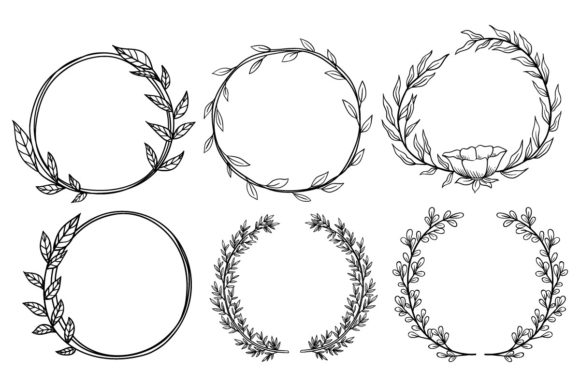
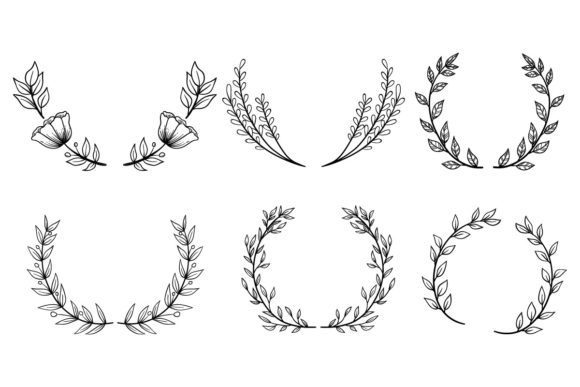
Consider a realistic example: an entrepreneur running a print-on-demand store. They acquire a bundle of Floral Design Elements featuring laurels and rose motifs. Using Adobe Illustrator, they can easily ungroup the elements, change the rose color from red to gold for a luxury-themed t-shirt, scale the laurel perfectly for a mug wrap, and export a clean path for a vinyl cutter to produce stickers. One asset fuels multiple, tailored products, maintaining a cohesive visual brand across different items.
Key Considerations for Quality and Workflow
The effective use of these elements depends on a few key factors. Quality is paramount. Well-constructed vector files should have clean, logically grouped paths, minimal use of overly complex effects that may not translate across formats, and layers organized for ease of editing. The long-term value of a file is tied to this technical execution. A poorly built file, even if visually appealing in a preview, can become a frustrating obstacle during editing, requiring manual cleanup that negates the efficiency benefit.
Usability also hinges on the user's access to and familiarity with vector-based graphic programs. The primary files (AI, EPS, SVG) are intended for software like Adobe Illustrator, CorelDRAW, or Inkscape. For someone whose workflow is entirely based on raster software like Photoshop, the vector files' full potential remains untapped unless they learn basic vector import and editing techniques. The included PNG serves as a fallback, but at the cost of losing scalability and easy editing.
Audience Fit and Project Alignment
Floral Design Elements are not a universal solution, but they are highly valuable for specific audiences and project types. Professionals in the print industry, creators focusing on physical goods, and serious hobbyists with digital cutting machines benefit most. The resource aligns perfectly with projects requiring repetition, scaling, or adaptation—such as creating a series of wedding invitations with varying motifs, developing a cohesive line of engraved products, or producing seasonal apparel where the base design is constant but colors change.
Conversely, a blogger needing a single, fixed-size floral image for a website header might find the PNG sufficient and the vector bundle unnecessary. The value proposition is strongest where there is an anticipated need for modification, multiple output sizes, or use across different manufacturing processes. For a freelance graphic designer, these assets can accelerate client work for merch, packaging, or decorative items, provided the floral style matches the client's brand aesthetic.
Evaluating for Your Needs
To determine if Floral Design Elements fit your goals, assess your typical output. Do you regularly need designs that must work at both 2 inches and 2 feet? Do you adjust colors or compositions based on client requests or product types? Is your workflow already connected to vector software or cutting/engraving hardware that requires SVG or DXF paths? If yes, then vector-based floral assets are a logical and efficient resource.
A possible limitation is stylistic specificity. A bundle may feature modern, geometric florals, while your project requires traditional, realistic illustrations. The flexibility is technical, not artistic. Therefore, selecting a bundle whose visual style aligns with your brand or project’s tone is as important as evaluating the file formats offered. Furthermore, while the files are editable, significant artistic alteration—like completely reshaping a flower’s structure—still requires vector drawing skill.
In summary, Floral Design Elements in vector file formats are a practical toolkit for scalable, editable botanical graphics. Their worth is not in being a single finished artwork, but in being a versatile, quality-assured raw material for a multitude of creative and commercial productions, from printed goods to engraved items. Their performance and value are excellent for users whose work intersects with vector software and scalable output, making them a considered investment for creators and businesses in those fields.