The Enduring Craft and Modern Revival of Vintage Floral Basket Weave Patterns
In the vast landscape of decorative design, certain patterns possess a unique resonance, weaving together threads of history, artistry, and utility. The vintage floral basket weave motif stands as a prime example of such a design. Its name alone evokes a tactile sensation—the interlaced structure of a basket and the organic beauty of blossoming florals. This specific style, characterized by historic-based pink and green florals arranged within a woven framework, is more than a simple aesthetic. It represents a design philosophy where order and nature coexist harmoniously.
Deconstructing the Pattern: A Fusion of Structure and Bloom
To grasp the appeal of the vintage floral basket weave, one must first understand its components. The "basket weave" element is a foundational textile and craft pattern. It mimics the visual effect of interlaced strands, creating a checkerboard-like grid of textured squares. This structure provides stability, rhythm, and a sense of grounded craftsmanship. Into this organized grid, the floral motifs are integrated. The historic-based pink and green color palette is deliberate, often drawing from Victorian-era or early American folk art where these soft, contrasting hues were prevalent. The florals themselves—roses, peonies, daisies, or clusters of unnamed blossoms—are rendered with a seamless, vintage sensibility, implying hand-drawn or printed artistry rather than stark digital precision.
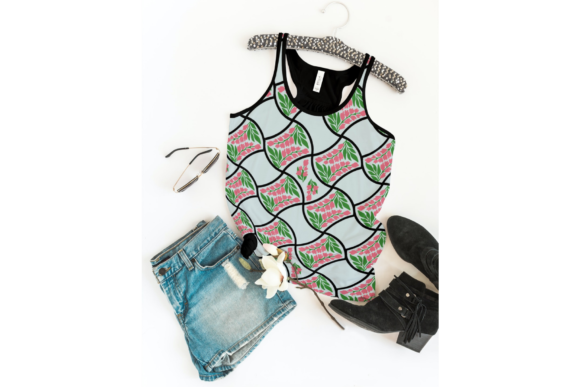
What makes this pattern distinct is the relationship between these parts. The florals do not simply sit atop the weave; they often appear nestled within its squares, or the weave lines act as subtle borders and pathways guiding the eye through the garden of imagery. This creates a dynamic where the pattern is both background and foreground simultaneously. The result is a design that feels simultaneously cozy and lively, structured yet free.
The Practical Canvas: From Digital Files to Physical Goods
The modern utility of such a pattern is unlocked through its availability in versatile digital formats. When a design like this is offered as SVG, Adobe Illustrator, PNG, and includes both the complete seamless pattern and individual floral elements, it transitions from a static image to a creative toolkit.
The SVG format, being scalable vector graphics, ensures the vintage floral basket weave can be enlarged or reduced infinitely without loss of quality, crucial for applications ranging from a tiny jewelry engraving to a large-scale wallpaper. Adobe Illustrator files allow professional designers to deconstruct, recolor, and manipulate every component, adapting the historic palette to modern brand colors or extracting a single green floral for a logo. PNG files provide ready-to-use raster images with transparency, ideal for quick digital placements. Offering the pattern as a seamless tile means it can repeat endlessly without visible breaks, perfect for fabric or wrapping paper. The inclusion of individual elements empowers creators to use a solitary pink rose as an accent, separate from the woven grid.
This multi-format approach democratizes design. It serves the hobbyist crafting a single mug as readily as the textile company producing a line of bedding.
Primary Applications in Contemporary Creation
The real-world relevance of this pattern is vast, touching numerous industries and personal projects.
- Textile and Fabric Design: The seamless nature of the vintage floral basket weave makes it an ideal candidate for fabric printing. It can adorn cotton for quilts, linen for table runners, or polyester for apparel. The pattern's inherent structure often aligns well with the weave of the cloth itself, creating a rich, layered textile feel.
- Product Decoration and Merchandise: Applying this pattern to mugs, shirts, tote bags, or stationery injects a sense of warmth and timeless charm. The pink and green florals are generally approachable and gender-neutral, appealing to a wide consumer base. For a business, using such a pattern on promotional items can convey values of craftsmanship and attention to detail.
- Digital and Print Media: Web designers might use a subtle tile of this pattern as a website border or background element to evoke a certain boutique feel. In print, it could serve as book endpaper, invitation card backing, or packaging design for artisan goods.
- Home Décor and Interior Accents: Beyond fabric, the pattern can be adapted for wall decals, ceramic tile designs, or even detailed elements in furniture staining or painting. Its vintage character makes it suitable for shabby chic, cottagecore, or modern farmhouse aesthetics.
Understanding the Audience: Who Utilizes These Patterns?
The appeal of the vintage floral basket weave pattern crosses numerous professional and personal boundaries.
Independent Artists and Crafters find value in the ready-to-use files to create unique products for their online shops or local markets, often combining the pattern with other techniques like embroidery or heat-transfer printing. Graphic and Surface Pattern Designers may use the Illustrator files as a starting point or inspiration component within a larger collection, studying how the historic elements are balanced with the geometric weave. Small Business Owners in niches like boutique cafes, wedding planning, or vintage retail might incorporate the pattern into their branding materials, uniforms, or physical spaces to establish a cohesive visual theme.
Furthermore, Educators and Researchers in fields of art history or design theory could utilize the pattern as a case study in the evolution of decorative arts, examining how basket weave structures have been combined with natural motifs across centuries. Hobbyists engaged in activities like scrapbooking, DIY home decor, or digital crafting enjoy the accessibility of the PNG files to personalize their projects without needing advanced software skills.
Key Considerations for Effective Implementation
While the pattern is versatile, successful application requires thoughtful consideration. The density of the design is crucial. A full, seamless repeat might be overwhelming on a small item like a phone case, whereas a single extracted element could be perfect. Color modification, while possible especially with vector files, should be approached with care. The historic-based pink and green palette is integral to the "vintage" feel; altering it to neon colors might strip the design of its contextual authenticity.
Scale is another vital factor. On a large area like a curtain, the basket weave grid should be sized so it doesn't appear either too dominant or too faint. The pattern's charm lies in the visible interplay. Also, one must consider the medium's texture. Printing the design on a rough, natural linen will enhance its vintage, handcrafted aura, while printing on a sleek ceramic mug will give it a more polished, decorative quality.
The Advantage of Historical Resonance in Modern Design
Choosing a pattern like the vintage floral basket weave over a wholly abstract or ultra-modern design carries distinct advantages. It provides an instant connection to nostalgia and tradition, which can be a powerful emotional trigger for consumers. This resonance often translates to perceived quality and authenticity. In a marketplace saturated with minimalist or aggressively digital designs, a well-executed vintage pattern can stand out by offering visual complexity and warmth.
From a practical standpoint, these patterns are often "busier" and can effectively cover surfaces without needing additional illustrative elements, making them efficient for product design. Their inherent intricacy can also mask minor imperfections in printing or application on certain materials. For the creator, working with a pattern that has built-in historical context can streamline the creative process, as the design carries its own story and mood, reducing the need for extensive brand storytelling around it.
Observing Trends: The Basket Weave in the Current Landscape
Currently, there is a noticeable trend towards designs that blend geometric and organic elements—a reaction perhaps to the either/or nature of many digital trends. The vintage floral basket weave sits perfectly within this movement. Furthermore, the specific use of pink and green has seen a revival, moving beyond strict vintage reproduction into contemporary "grandmillennial" or "new traditional" styles, where classic motifs are used with fresh intent.
The availability of such patterns in flexible digital formats directly supports the rise of on-demand manufacturing and micro-businesses. A creator can download the SVG file today and have a sample fabric printed by a service tomorrow, testing the market with minimal overhead. This immediacy, coupled with a design that feels substantial and developed, lowers the barrier for high-quality product creation.
In essence, the vintage floral basket weave pattern is not merely a decorative file. It is a bridge. It connects the tangible, interlaced craftsmanship of past artisans with the limitless, digital toolkit of the modern creator. Its structure provides order, its florals provide life, and its history provides depth. Whether applied to a physical mug, a digital website header, or a length of fabric, it brings with it a narrative of careful creation—a basket woven not just from strands, but from time and artistry itself. This capacity to enrich both object and context is the enduring power of such a design pattern.