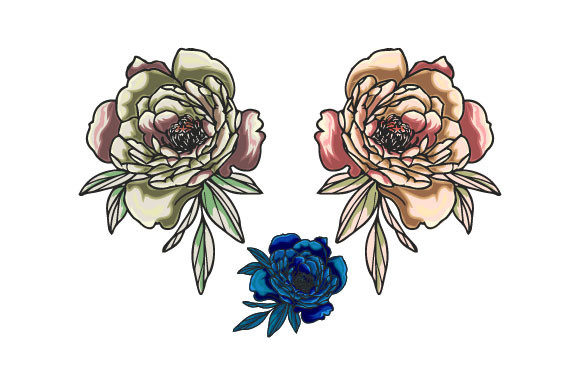
The Artful Fusion: Unlocking Creativity in Floral Arrangement with Watercolor12
The intersection of traditional craft and digital artistry opens new avenues for creative expression. Among these, the technique of floral arrangement with watercolor stands out as a particularly evocative blend. It marries the organic, three-dimensional beauty of botanical design with the fluid, translucent charm of watercolor painting. This practice, especially when enhanced by tools like the innovative Floral Arrangement with Watercolor12 system, transcends simple hobbyism, becoming a valuable skill for a diverse range of individuals and professions.
Core Characteristics of the Watercolor-Inspired Approach
At its heart, this method is about capturing the essence of flowers—their delicate petals, graceful stems, and transient vibrancy—through the medium of watercolor's unique properties. Unlike oil or acrylic, watercolor is inherently light, layered, and often unpredictable. When applied to floral design, these characteristics dictate a specific aesthetic and methodology.
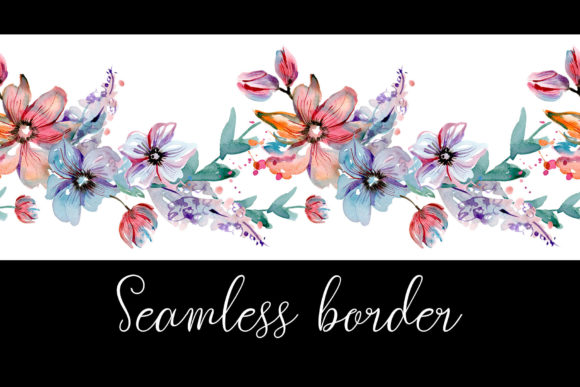
The primary visual hallmark is a sense of softness and diffusion. Arrangements conceived with this mindset avoid harsh, geometric lines. Instead, they favor blends of color, where blooms appear to merge gently with one another, much like pigments bleed on paper. There is an emphasis on negative space and airiness, mirroring the unpainted areas of a watercolor sketch that give the work its breath. The color palette naturally leans towards washes and pastels, though bold, wet-on-wet bursts of color can represent dramatic, focal flowers like poppies or peonies.
Technical Parallels Between Mediums
A deep understanding comes from observing how watercolor techniques translate directly to floral composition. The wet-on-wet technique, where paint is applied to a damp surface, creates soft, flowing blends. In the vase, this is achieved by grouping flowers of similar hue and texture closely, allowing their forms to visually intermingle. The dry brush technique, producing textured, granular strokes, can be mirrored by incorporating dried elements, seed pods, or grasses with linear, detailed structures. Even the process of layering from light to dark washes finds its counterpart in building an arrangement from background filler flowers to the foreground's most vivid focal points.
Primary Advantages and Real-World Relevance
Why has this niche captivated so many? Its advantages are both tangible and emotional. For the hobbyist or home decorator, it offers an accessible yet sophisticated style. The principles are easier to grasp than some rigid floral design rules, as they rely on artistic intuition—how a color feels, how a shape flows. The resulting arrangements are exceptionally photogenic, possessing a painterly quality that excels in social media, personal blogs, and home styling.
For professionals, such as event planners and florists, mastering floral arrangement with watercolor provides a distinct marketable style. Weddings seeking a soft, romantic, or whimsical aesthetic find a perfect match here. Corporate events aiming for an elegant, artistic, and non-corporate look can also benefit. Furthermore, this approach encourages sustainable practices. The emphasis on natural forms and colors often aligns better with seasonal, locally-sourced flowers, reducing the need for forced, dyed, or heavily processed blooms.
Educators and researchers in art and design find this fusion a rich topic for interdisciplinary study. It explores how digital tools, like Floral Arrangement with Watercolor12, can bridge physical and virtual creation. This system allows designers to first compose and test color harmonies, flower placements, and stylistic effects in a digital watercolor environment, saving physical materials and enabling precise planning before executing the real arrangement.
Key User Groups and Their Applications
The audience for this art form is remarkably broad, each applying it to their unique context.
- Visual Content Creators: Photographers, stylists, and influencers use these arrangements as central props. The watercolor aesthetic provides a cohesive, stylish backdrop that enhances product shots, lifestyle imagery, and video content.
- Art Therapists and Wellness Coaches: The process itself is meditative. Combining the tactile, grounding act of handling flowers with the creative, flowing mindset of watercolor art can be a powerful therapeutic activity for groups focusing on mindfulness and sensory engagement.
- Small Business Owners: Boutique shops, cafes, and studios use such arrangements for in-store decor. They create an ambiance that feels curated, artistic, and welcoming, directly impacting customer perception and experience.
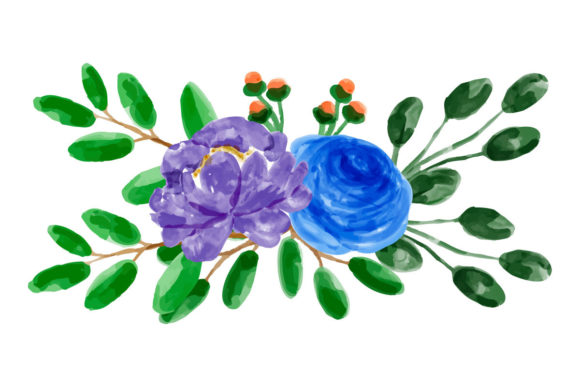
- Digital Artists and Illustrators: Tools like Floral Arrangement with Watercolor12 are used to generate reference imagery or direct digital art. A PNG file with a transparent background, as often output by such systems, is invaluable. Artists can overlay the digital arrangement onto other digital paintings, use it for texture studies, or incorporate it into larger composite works without the hassle of removing backgrounds.
Implementation Considerations and Practical Workflow
Adopting this style requires some shift in thinking and sourcing. First, material selection is paramount. Flowers that naturally exhibit watercolor-like qualities are ideal. Think of hydrangeas with their clustered, blended blooms, roses with gradient petals, or anemones with their simple, stained-glass color. Foliage should be soft—ferns, dusty miller, or eucalyptus—rather than sharp, architectural leaves.
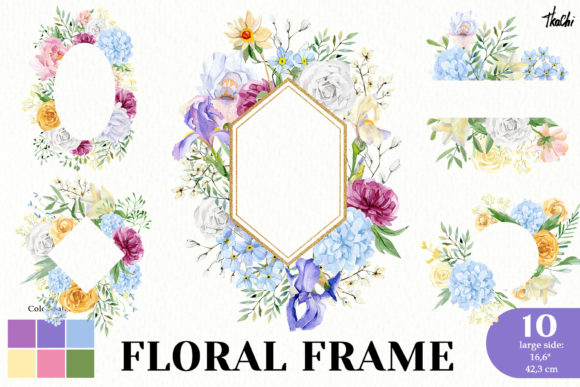
The workflow often now begins digitally. Using a specialized tool, one might compose an arrangement, experiment with a JPG on a white background to see overall balance, and then utilize a PNG on a transparent background to visualize the arrangement in different contexts—against a dark wall, on a website header, or within a graphic design layout. This digital prototype minimizes waste and boosts confidence.
Physical execution then follows the digital plan, but with the necessary flexibility. Watercolor art embraces happy accidents, and so should the floral artist. A stem may bend in an unexpected way, creating a more beautiful line; a flower may open more fully, altering the color density. These are not failures but part of the process, mirroring the way watercolor pigment might pool on paper to create an unplanned but beautiful effect.
Navigating Common Challenges
Two challenges frequently arise. One is maintaining structural integrity while achieving softness. An arrangement still needs to stand and last. This is solved by ensuring a strong, often invisible, structural framework with greens or sturdy stems, upon which the softer, painterly elements are draped. The second is color management. Watercolors can muddy if overmixed. Similarly, throwing every pastel color into one vase can lead to a visually confusing result. Limiting a palette to three or four harmonizing washes, much like a painter would, yields a more coherent and professional outcome.
The Role of Specialized Tools and Future Trends
The development of dedicated software and resources, such as Floral Arrangement with Watercolor12, signals the maturation of this hybrid field. These tools formalize the connection, offering libraries of digital flowers modeled with watercolor textures, blending algorithms to simulate pigment flow, and output formats tailored for both print (JPG) and further digital manipulation (PNG). They serve not as replacements for hands-on skill, but as enhancers, expanding the creative possibilities and professional applications.
Looking forward, this fusion is poised to grow. Trends in both floral design (towards more natural, garden-style looks) and digital art (towards hand-painted, authentic textures) converge here. We may see more integration with augmented reality, where digital watercolor arrangements are previewed in real physical spaces before being made. Additionally, the educational potential is vast, with online courses likely to emerge that teach floral design through the lens of watercolor principles, appealing to both artists and gardeners simultaneously.
Ultimately, the practice of floral arrangement with watercolor, particularly when leveraging modern digital aids, is more than a style. It is a philosophy of creation. It reminds us that disciplines are not isolated; that the softness of a paint wash can inform the placement of a petal, and that a transparent background digital file is as crucial to a graphic designer as a sturdy vase is to a florist. By embracing this cross-pollination of ideas and tools, creators of all types find new ways to bring transient, beautiful, and artful moments into the world, whether on a canvas, in a vase, or on a screen.