Lilac Bloom Floral Border: A Design Element for Distinctive Visual Spaces
In the realm of visual design, the use of decorative borders can define a space, elevate a composition, or provide a subtle framework for content. The Lilac Bloom Floral Border represents a specific approach within this category, characterized by its organic motifs and soft chromatic palette. This article examines this design element in detail, exploring its intrinsic qualities, its practical applications, and how it compares to other stylistic choices you might consider for your project.
Understanding the Lilac Bloom Floral Border
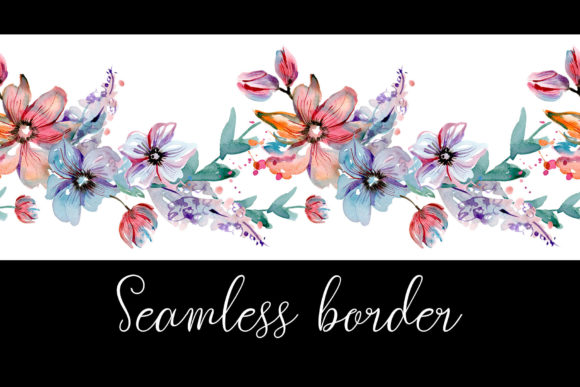
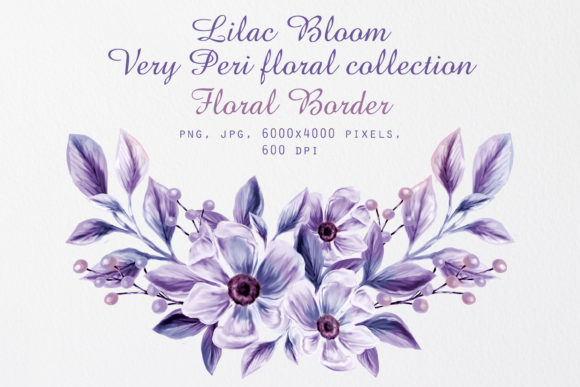
The Lilac Bloom Floral Border is, at its core, a continuous ornamental frame composed of stylized floral elements. Its name derives from the predominant use of lilac-toned blooms and foliage arranged in a repeating or flowing pattern. What makes it distinct from more abstract or geometric borders is its direct connection to natural forms. The design doesn’t attempt to replicate botanically accurate lilacs; instead, it interprets them with a degree of artistic simplification, creating a border that feels both decorative and gently evocative of a garden edge.
Its typical execution involves a balanced density—neither overly sparse nor overwhelmingly dense. This creates a visual rhythm that guides the eye without dominating the central content it surrounds. The color profile, anchored in lilac and periwinkle hues with complementary greens and soft whites, offers a particular mood. It is inherently calm, somewhat nostalgic, and carries a light, feminine sensibility without being overly ornate. This makes the Lilac Bloom Floral Border a specific tool with a specific emotional and aesthetic output.
Key Characteristics and Design Tradeoffs
When evaluating the Lilac Bloom Floral Border for a project, it’s helpful to break down its attributes and the inherent tradeoffs they present.
Strengths and Best-Fit Situations
Mood Creation: The border excels at establishing a particular atmosphere. Projects aiming for elegance, tranquility, romance, or a vintage-inspired aesthetic often find it a natural fit. Imagine a wedding invitation suite, the header of a wellness blog, or the packaging for a handcrafted cosmetic line. In these contexts, the Lilac Bloom Floral Border doesn’t just decorate; it communicates a brand or event’s tone from the periphery.
Content Framing: For layouts that risk feeling too minimalist or stark, this border provides a warm, organic containment. It can visually “hold” text or imagery on a page or screen, making the overall composition feel more intentional and complete. Its floral nature softens the hard edges of a frame, which can be advantageous when dealing with sensitive or personal subject matter.
Versatility in Scale: Due to its flowing, non-geometric pattern, the Lilac Bloom Floral Border can often be adapted across different scales without losing its identity. A dense, detailed version might work for a large print piece, while a simplified, lighter line-work version could serve as a subtle divider on a webpage.
Limitations and Considerations
Style Specificity: The most significant tradeoff is its stylistic specificity. Its soft, floral nature means it is less suitable for projects requiring a modern, tech-forward, masculine, or highly minimalist vibe. A corporate financial report or a cutting-edge tech app interface would likely find this border incongruous.
Color Lock-In: While the lilac and periwinkle palette is its defining feature, it can limit color scheme flexibility. If your core brand colors are strong oranges or deep blues, integrating the Lilac Bloom Floral Border may require careful color balancing or risk creating visual discord.
Potential for Visual Clutter: If used without restraint—for instance, surrounding already complex imagery—the border can contribute to visual clutter. Its effectiveness hinges on the balance between the border and the central space. It is often best employed where the central content has clear breathing room.
Comparing Design Approaches: When Is Lilac Bloom the Right Choice?
Choosing a decorative element is rarely about finding a single “best” option, but rather about identifying the best fit for your specific context. Let’s compare the Lilac Bloom Floral Border to broader categories of borders and frames.
Against Geometric or Abstract Borders
Geometric borders, using lines, dots, squares, or abstract patterns, offer a completely different value proposition. They convey order, structure, modernity, and often a sense of precision. For a software user manual or a architectural firm’s portfolio, a geometric border might be more aligned with the core message. The Lilac Bloom Floral Border, conversely, trades that sense of ordered precision for organic fluidity. The decision here rests on emotional resonance versus rational presentation.
Against Other Floral or Nature-Inspired Borders
Even within the floral category, alternatives abound. A border using bold tropical flowers conveys energy and vibrancy; one using dark evergreen branches suggests tradition and resilience. The Lilac Bloom Floral Border occupies a narrower niche within this spectrum: the soft, spring-like, and gently romantic. If your project’s theme is “summer adventure” or “winter heritage,” another floral style may be a closer match. The Lilac Bloom Floral Border is distinctly suited to themes of renewal, tenderness, and serene beauty.
Against No Border at All (Maximalism vs. Minimalism)
The most fundamental comparison is between using a border like this and using no border at all. Minimalist design relies on spacing, typography, and raw layout to define areas. Introducing a Lilac Bloom Floral Border is a conscious step away from minimalism toward a more decorated, maximalist approach. This decision should be driven by content and audience. A minimalist blog layout might favor readability and clean focus, while a special anniversary publication might benefit from the border’s ceremonial framing effect.
Practical Application and Format Considerations
The theoretical fit of a design element must be tested against practical realities. How does the Lilac Bloom Floral Border function across different media?
Print Media: In print, such as stationery, brochures, or book interiors, the border can be highly effective. The tactile nature of paper often complements organic designs. High-resolution files, like the 5000 x 5000 pixel, 600 dpi format mentioned, are essential here to ensure crisp detail in both large and small print runs. The RGB color profile, while typically associated with digital screens, is perfectly usable for many modern digital printing processes that accept RGB files.
Digital Screens: On websites or apps, the border’s implementation requires technical consideration. As a full CSS border, it would be complex; it is more commonly used as a decorative image asset in headers, footers, or as section dividers. Its scalability is key—the design must remain clear and legible when scaled down for mobile devices. The soft colors should also be checked for accessibility against text content, ensuring sufficient contrast ratios for readability.
Mixed Media: For projects that span both print and digital, like a brand identity, consistency is crucial. The Lilac Bloom Floral Border can serve as a unifying visual thread across touchpoints. However, its execution may need slight variations: a more detailed version for print and a simplified, possibly monochrome version for digital UI elements to ensure performance and clarity.
Making an Informed Decision: Key Evaluation Factors
To determine if the Lilac Bloom Floral Border is the right component for your project, methodically assess these factors.
- Core Message: Does the soft, floral, lilac-toned aesthetic support or enhance the core message you are communicating? If it feels tangential or forced, it may be decorative without being purposeful.
- Audience Expectations: Will your primary audience perceive this border as appropriate and appealing? A border that resonates with a bridal clientele might not resonate with a audience of industrial engineers.
- Medium and Technical Constraints: Can the border be implemented effectively in your primary medium? Consider file formats, color profiles, resolution needs, and responsive behavior if digital.
- Competitive Landscape: Look at similar projects or competitors in your space. Is a floral border a common, expected element? Using the Lilac Bloom Floral Border could align you with a genre, or, if others use minimalist or geometric styles, it could help you stand out distinctively.
- Longevity and Adaptability: Is this a one-off project or a long-term brand asset? The Lilac Bloom Floral Border’s style-specific nature means it might not be as easily adaptable over many years as a more neutral design element.
Ultimately, the Lilac Bloom Floral Border is a powerful but specialized design tool. It is not a universal solution, but in the right context—where its mood, color, and organic form align perfectly with the project’s goals—it can transform a simple space into a distinctive and emotionally resonant visual experience. By understanding its distinct qualities and honestly weighing them against your needs and alternatives, you can make a confident, informed choice that serves your content and your audience.