The Floral Wreath Frame: Integrating Decorative Botany into Creative and Professional Workflows
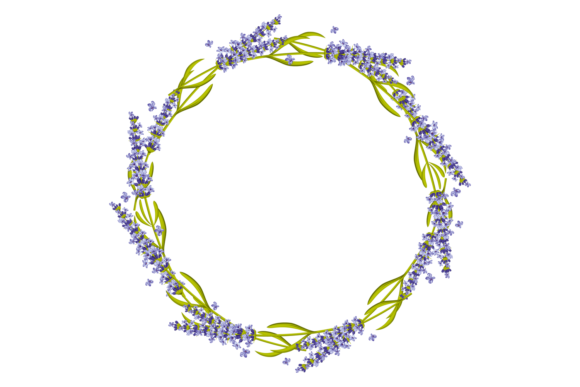
A floral wreath, specifically a round lavender frame decorated with intricate botany, is more than just a standalone image. When presented as a high-quality digital asset—available in EPS, JPG, SVG, and transparent PNG formats against a clean white background—it transforms into a versatile component for a wide array of projects. For professionals, creators, and business owners, this type of asset represents a point of integration within a broader creative or marketing process. Its utility is defined not by its isolated beauty, but by how it connects with other tools, decisions, and phases of work, from initial planning to final publication.
Understanding the Asset in a Process Context
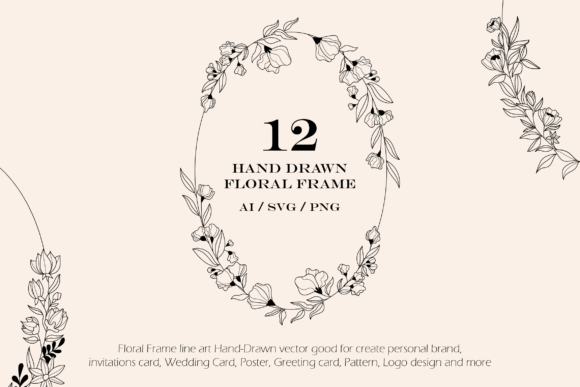
The "Floral Wreath. Round Lavender Frame. Dec" is a digital graphic element centered on a circular lavender wreath motif. The key to its practical value lies in its technical specifications: vector formats (EPS, SVG) for scalable editing, raster formats (JPG, transparent PNG) for direct implementation, and an isolated background for effortless compositing. This makes it a preparatory asset. Its primary role is often in the planning and asset-gathering stage of a project. Before a designer begins layout, a marketer drafts a campaign, or a blogger creates a seasonal post, they curate a library of such elements. This frame isn’t the final product; it’s a building block that supports a larger creative or communicative goal.
Where the Lavender Frame Fits: From Planning to Execution
Identifying where this asset enters your workflow is the first step toward efficient use. Consider its application across three typical phases.
Before a Project: During the conceptualization and planning stage, you might select this floral wreath frame as part of your visual theme. If you're aiming for a soft, botanical, or spring-inspired aesthetic, this asset becomes a predefined stylistic choice. Its selection influences subsequent decisions about color palettes, complementary imagery, and typography, ensuring visual consistency from the outset.
During a Project: This is the core implementation phase. Here, the lavender frame interacts directly with other tools and assets. You import the SVG file into Adobe Illustrator to modify a leaf color, layer the transparent PNG over a photograph in Photoshop, or place the JPG within a Canva template for a social media banner. Its use is active and integrative, often requiring decisions about placement, sizing, and combination with text or other graphics.
After a Project: Post-execution, the asset's role shifts toward organization and reuse. A well-labeled and stored file (e.g., "lavender_wreath_frame.svg") in a dedicated "Botanical Assets" folder becomes part of your long-term resource library. This facilitates quality control and efficiency for future projects, as you can quickly retrieve a proven, high-quality element without restarting the search process.
Integrating the Frame with Tools and Resources
Smooth integration hinges on understanding compatibility and method. The provided multi-format suite is designed for interoperability across platforms.
- Vector Formats (EPS, SVG): Use these with professional design software like Illustrator, Inkscape, or Affinity Designer for unlimited scaling and editing. This is crucial for branding projects where the wreath might need to be adapted for a large banner or a tiny logo icon without quality loss.
- Raster Formats (JPG, PNG): The JPG is ideal for quick placement in contexts where a white background is acceptable, such as within a blog post body. The transparent PNG is perhaps the most workflow-friendly format, allowing you to drag and drop the wreath directly onto pre-existing backgrounds in tools like Photoshop, Procreate, PowerPoint, or even web-based editors like Figma.
Consider how this interacts with other assets. The isolated white background is a deliberate feature that eliminates the tedious clipping process. This directly increases efficiency, letting you focus on composition rather than technical cleanup. You might layer the frame over a muted text block, surround a product photo, or use it as a decorative border for a quotation. The asset works in concert with your other chosen elements.
Practical Implementation for Diverse Roles
The application varies significantly depending on your professional role or personal project goal. Here are specific workflow examples.
For Marketers and Small Business Owners
Imagine creating a seasonal email campaign for a lavender-scented product line. Your process might be: 1) Define the campaign’s soft, natural tone. 2) Select the round lavender wreath frame from your asset library as the key visual. 3) Use the SVG file to create a consistent header graphic for all emails. 4) Employ the transparent PNG to create branded social media posts announcing the campaign, overlaying it on photos of your products. 5) Ensure consistency by using the same modified frame across all touchpoints, reinforcing brand recognition. The frame acts as a unifying visual thread throughout the marketing workflow.
For Content Creators, Bloggers, and Educators
A blogger writing about garden planning or mindfulness might integrate the wreath differently. In their content creation process, the asset serves as a decorative accent to enhance readability and aesthetic appeal. They could insert the JPG at the beginning of a blog post section, use the PNG as a background for key takeaways in a video presentation, or incorporate the SVG into a custom printable worksheet or PDF guide. The asset supports the content’s theme without dominating it, a subtle integration that improves the user's experience.
For Designers and Freelancers
For a designer, the frame is raw material. Their workflow involves more active manipulation. They might open the EPS file, break apart the wreath elements to extract individual lavender sprigs for a larger custom pattern, change the frame's color to match a client's brand guidelines, or combine it with other floral assets to create a completely new composition. This deep integration with the design software's tools turns a single purchased asset into multiple custom outputs, maximizing its value and utility.
Optimizing for Efficiency and Long-Term Use
To truly embed this decorative botanical element into your routine, consider these practical tips focused on preparation, organization, and quality.
- Asset Library Organization: Immediately upon acquiring the files, rename them descriptively and store them in a logical folder structure. For example, "Graphics > Botanical > Wreaths > Lavender_Round." This saves significant time in future projects.
- Format Selection Protocol: Establish a simple personal rule. Use vector for anything that might need scaling or editing. Use PNG for anything requiring a transparent overlay. Use JPG for final, fixed-size placements. This decision-making shortcut speeds up execution.
- Consistency Checks: When using the asset across multiple materials (e.g., a website, brochure, and social post), ensure the same visual treatment. If you adjusted the hue in one instance, apply that same adjustment universally. This maintains professional quality control.
- Iterative Reuse: View the asset as a long-term investment. A floral wreath frame suitable for a spring campaign can be slightly modified (colors, added elements) for a different season or theme later. Its core structure remains a useful template.
The Outcome: A Streamlined, Theme-Cohesive Result
The ultimate goal of integrating a prepared asset like the Floral Wreath. Round Lavender Frame. Dec is to achieve a polished outcome without unnecessary friction in your creative process. By understanding its place in your workflow—from early planning as a stylistic anchor, to active implementation through compatible formats, to organized storage for future efficiency—you move from simply having a graphic to effectively using a tool. This shifts the focus from the asset itself to the process it enables: quicker project turnarounds, stronger visual consistency, and a more professional final product. Whether you’re building a brand, creating content, or designing a personal project, the practical value of such a decorative element is realized not when it’s downloaded, but when it’s seamlessly woven into the fabric of your work.